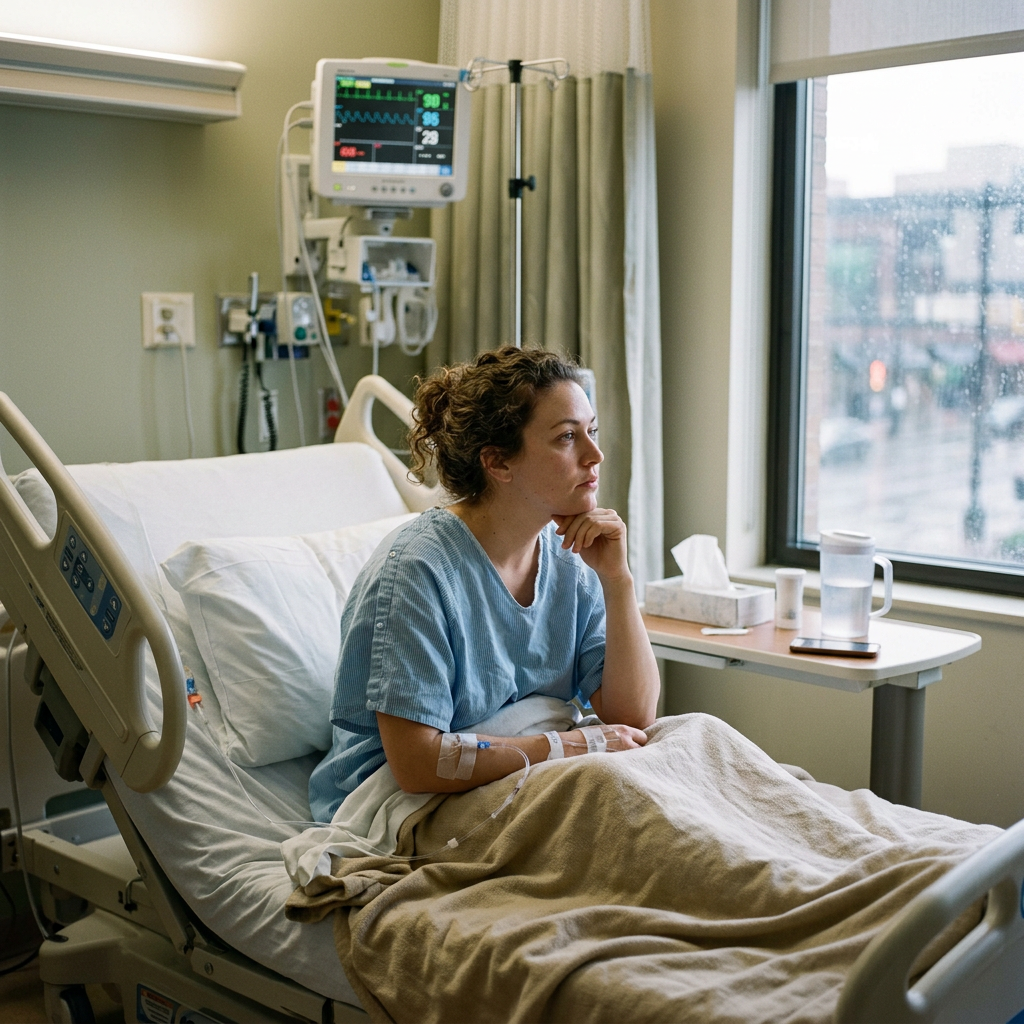

The Family and Medical Leave Act (FMLA) gives eligible employees the right to take up to 12 weeks of unpaid, job-protected leave for certain medical and family reasons. One of the most common reasons employees request FMLA leave is because they are unable to work due to their own health condition or need time away to care for a qualifying family member.
However, not every illness, injury, or medical appointment qualifies for FMLA protection. The law uses a specific definition of a “serious health condition” to determine whether an employee’s medical situation is covered.
Understanding what qualifies as a serious health condition under FMLA can help employees understand their rights, prepare the proper documentation, and know when their employer may be required to provide job-protected leave.
For more information about workplace protections, leave rights, and other employment laws, visit our [Employee Rights] and [FMLA & Medical Leave Rights] guides.
Table of Contents
What Is a Serious Health Condition Under FMLA?
Under the FMLA, a serious health condition is generally an illness, injury, impairment, or physical or mental condition that involves either:
- Inpatient care in a hospital, hospice, or residential medical care facility; or
- Continuing treatment by a healthcare provider
A condition does not have to be life-threatening or permanent to qualify. Many medical situations that employees commonly experience—including surgeries, chronic illnesses, pregnancy-related conditions, and certain mental health conditions—may qualify if they meet the requirements under the law.
The U.S. Department of Labor (DOL), which enforces the FMLA, recognizes several categories of serious health conditions that may qualify for protected leave.
The Categories of Serious Health Conditions Under FMLA
The FMLA does not provide a list of every medical condition that qualifies. Instead, the law focuses on the type of care required, how long the condition lasts, and whether it prevents the employee from working.
A serious health condition may qualify if it falls into one of the following categories.
1. Conditions Requiring Inpatient Care
A serious health condition may qualify for FMLA leave when it requires an overnight stay in a hospital, hospice, or residential medical care facility.
Examples may include:
- Surgery requiring hospitalization
- Serious injuries requiring inpatient treatment
- Medical procedures requiring an overnight stay
- Certain mental health conditions requiring inpatient care
A hospitalization does not necessarily have to last several days. Even a short inpatient stay may qualify if it meets FMLA requirements.
For example, an employee who undergoes surgery and stays overnight in a hospital may have a qualifying serious health condition, even if the recovery period happens at home.
2. Conditions Causing More Than Three Days of Incapacity With Treatment
One of the most common ways a condition qualifies for FMLA is when it causes an employee to be unable to work for more than three consecutive full calendar days and requires treatment from a healthcare provider.
Generally, this means:
- The employee is unable to perform their job duties for more than three consecutive full days; and
- The condition involves treatment by a healthcare provider within the required timeframe
Examples may include:
- A severe infection requiring medication and follow-up care
- An injury that prevents an employee from working for several days
- An illness requiring ongoing medical treatment and recovery time
A minor illness that resolves quickly, such as a typical cold, usually would not qualify unless it meets the FMLA requirements.
3. Chronic Health Conditions
Chronic health conditions may qualify for FMLA even when an employee is not continuously unable to work.
A chronic serious health condition generally:
- Continues over an extended period of time
- Requires periodic visits to a healthcare provider
- May cause occasional episodes where the employee cannot work
Examples may include:
- Diabetes
- Asthma
- Epilepsy
- Severe migraines
- Chronic back conditions
- Certain mental health conditions requiring ongoing treatment
Employees with qualifying chronic conditions may be entitled to intermittent FMLA leave, which allows them to take leave in separate blocks of time when medically necessary.
For example, an employee with a chronic condition may need occasional days off for medical appointments or flare-ups that make it difficult or impossible to work.
4. Conditions Requiring Multiple Treatments
Some medical conditions qualify because they require a series of treatments, even if the employee is not continuously unable to work.
Examples may include:
- Chemotherapy
- Radiation treatments
- Dialysis
- Physical therapy
- Rehabilitation after surgery or a serious injury
FMLA leave may cover time needed for medical appointments, treatment sessions, and recovery periods related to the condition.
5. Permanent or Long-Term Conditions Requiring Supervision
Some serious health conditions qualify for FMLA leave even when they are permanent or do not require frequent medical treatment.
A condition may qualify when it:
- Continues over a long period of time
- Requires ongoing supervision by a healthcare provider
- May cause periods when the employee is unable to work
Examples may include:
- Certain terminal illnesses
- Advanced neurological conditions
- Severe chronic diseases
- Conditions requiring regular medical monitoring
An employee does not have to be completely unable to work for a condition to qualify. FMLA may still apply when an employee needs time away for medical appointments, treatment, or occasional periods when symptoms prevent them from performing their job.
For example, an employee with a serious chronic illness may continue working but need periodic medical appointments or occasional leave when the condition worsens.
6. Pregnancy and Pregnancy-Related Conditions
Pregnancy is considered a serious health condition under FMLA when it involves qualifying medical needs or periods of incapacity.
Employees may use FMLA leave for:
- Prenatal medical appointments
- Pregnancy complications
- Severe morning sickness requiring medical care
- Medical restrictions during pregnancy
- Recovery after childbirth
FMLA also provides job-protected leave for bonding with a newborn child after birth. This bonding leave is separate from leave taken because of a pregnancy-related medical condition.
For example, an employee may use FMLA before childbirth because of pregnancy complications and then use additional FMLA leave after delivery to bond with the child.
Do Mental Health Conditions Qualify as Serious Health Conditions Under FMLA?
Yes. Mental health conditions may qualify as serious health conditions under FMLA when they meet the same legal requirements as physical health conditions.
A mental health condition may qualify if it involves:
- Inpatient care
- A period of incapacity requiring treatment
- Continuing treatment from a healthcare provider
Examples of mental health conditions that may qualify include:
- Depression
- Anxiety disorders
- Post-traumatic stress disorder (PTSD)
- Bipolar disorder
- Other conditions requiring ongoing medical care
An employee may use FMLA leave for their own qualifying mental health condition or to care for certain family members with a qualifying mental health condition.
Mental health conditions are treated under FMLA in the same way as physical health conditions. The key factor is whether the condition meets the requirements of a serious health condition—not the type of diagnosis.
Common Examples of Serious Health Conditions Under FMLA
There is no complete list of every condition that qualifies for FMLA. Whether a condition is covered depends on the circumstances, including the treatment required and whether the employee meets the other FMLA eligibility requirements.
Examples of conditions that may qualify include:
- Cancer requiring treatment
- Diabetes requiring ongoing medical care
- Asthma requiring continuing treatment
- Epilepsy
- Severe migraines requiring medical care
- Chronic back conditions
- Recovery from major surgery
- Serious injuries requiring rehabilitation
- Pregnancy-related medical conditions
- Mental health conditions requiring treatment
A diagnosis alone does not automatically guarantee FMLA protection. The condition must also meet the legal definition of a serious health condition and require qualifying medical care.
What Medical Conditions Usually Do Not Qualify for FMLA?
Not every medical issue meets the FMLA definition of a serious health condition.
Conditions that generally do not qualify may include:
- Routine medical appointments without an underlying condition
- Minor illnesses treated with a single visit
- Common colds or short-term illnesses that resolve quickly
- Routine preventive care
For example, a yearly physical exam generally would not qualify for FMLA leave. However, if that appointment results in the diagnosis of a condition requiring ongoing treatment, the situation may qualify.
The specific facts matter. A condition that initially seems minor may become eligible for FMLA if it leads to continuing treatment or prevents the employee from working.
Can You Take FMLA Leave to Care for a Family Member With a Serious Health Condition?
Yes. Eligible employees may use FMLA leave to care for certain family members who have a qualifying serious health condition.
Covered family members generally include:
- A spouse
- A child
- A parent
FMLA leave may be used for situations such as:
- Taking a family member to medical appointments
- Providing care during recovery
- Helping with treatment needs
- Assisting during periods when the family member cannot care for themselves
The family member’s condition must meet the FMLA definition of a serious health condition.
Can Your Employer Require Medical Certification for FMLA?
Yes. When an employee requests FMLA leave because of their own serious health condition or a family member’s serious health condition, an employer may require medical certification.
Medical certification helps an employer determine whether the condition meets the requirements for FMLA protection.
The employee’s healthcare provider may be asked to provide information such as:
- The approximate date the condition began
- The expected duration of the condition
- Relevant medical facts about the condition
- Whether the employee is unable to perform their job duties
- Whether the employee needs continuous, intermittent, or reduced-schedule leave
An employer generally must give the employee notice that certification is required and provide the employee with a reasonable amount of time to return the completed certification.
What Medical Information Can an Employer Ask For?
Employers may request enough information to determine whether FMLA applies, but they are not entitled to unlimited access to an employee’s medical information.
An employer may generally request:
- Confirmation that a serious health condition exists
- Information about the expected length of leave
- Information explaining why leave is medically necessary
- Whether the employee needs intermittent leave or a reduced schedule
An employer generally cannot require:
- An employee’s entire medical history
- Unrelated medical records
- Details about medical conditions that are not connected to the FMLA request
Medical information collected during the FMLA process must be handled confidentially and maintained separately from regular personnel records.
Can Your Employer Contact Your Healthcare Provider?
In some situations, an employer may contact a healthcare provider to clarify information on a medical certification, but there are limits.
Employers generally cannot contact an employee’s healthcare provider directly without following FMLA rules and obtaining appropriate authorization from the employee.
If clarification or authentication is needed, communication must be handled through appropriate channels, and the employer cannot ask the healthcare provider for additional medical information beyond what is allowed under the FMLA.
Can You Take Intermittent FMLA Leave for a Serious Health Condition?
Yes. FMLA leave does not always have to be taken all at once.
Employees may use intermittent FMLA leave when medically necessary. This allows an employee to take leave in separate blocks of time instead of one continuous period.
Examples include:
- Taking occasional days off for flare-ups of a chronic condition
- Attending medical appointments
- Receiving chemotherapy or other treatments
- Managing pregnancy-related medical appointments
- Attending therapy sessions for a qualifying mental health condition
Employees may also request a reduced work schedule when medically necessary, such as temporarily working fewer hours while receiving treatment.
Can an Employer Deny FMLA Leave for a Serious Health Condition?
An employer may deny FMLA leave in certain situations, but they cannot deny eligible employees leave simply because they do not want to approve the absence.
Common reasons an FMLA request may be denied include:
- The employee does not meet FMLA eligibility requirements
- The condition does not meet the definition of a serious health condition
- Required medical certification was not provided
- The employee did not provide proper notice when notice was possible
To be eligible for FMLA, an employee generally must:
- Work for a covered employer
- Have worked for the employer for at least 12 months
- Have at least 1,250 hours of service during the previous 12 months
- Work at a location where the employer has at least 50 employees within 75 miles
What Should You Do If Your FMLA Request Is Denied?
If your FMLA request is denied, review the reason given by your employer.
You may want to:
- Ask your employer why the request was denied
- Review whether you meet FMLA eligibility requirements
- Confirm that your medical certification was completed correctly
- Keep copies of all paperwork and communications
- Consider contacting the U.S. Department of Labor’s Wage and Hour Division if you believe your rights were violated
Employees who believe their FMLA rights have been denied may have options for filing a complaint or pursuing legal remedies.
Key Takeaways: What Qualifies as a Serious Health Condition Under FMLA?
A serious health condition under FMLA is broader than many employees realize. It does not only apply to major illnesses or hospital stays. Conditions involving ongoing medical treatment, chronic health issues, pregnancy-related needs, mental health conditions, and recovery from medical procedures may also qualify.
The most important factors are whether the condition involves:
- Inpatient care,
- Continuing treatment by a healthcare provider,
- A qualifying period of incapacity, or
- Ongoing medical needs recognized under FMLA rules.
Knowing what qualifies as a serious health condition can help employees understand when they may have the right to job-protected leave and what steps to take when requesting FMLA.
For more information about workplace protections, leave rights, and other employment laws, visit our [Employee Rights] and [FMLA & Medical Leave Rights] guides.
Related Articles
- What Is FMLA Leave and Who Qualifies?
- How Many Weeks of FMLA Leave Can You Take?
- Can You Take FMLA Leave for Mental Health Reasons?
- Can You Use FMLA for Doctor Appointments?
- Can You Take Intermittent FMLA Leave?
- Short-Term Disability vs. FMLA: What Is the Difference?
- What Happens When FMLA Leave Runs Out?
Disclaimer: This article provides general information about the Family and Medical Leave Act (FMLA) and employee rights. Employment laws can vary depending on the facts of each situation, and this information is not a substitute for legal advice from a qualified attorney. Please read our Terms and Conditions.
Article: What Qualifies as a Serious Health Condition Under FMLA?
Discover more from Worker Wisdom℠
Subscribe to get the latest posts sent to your email.