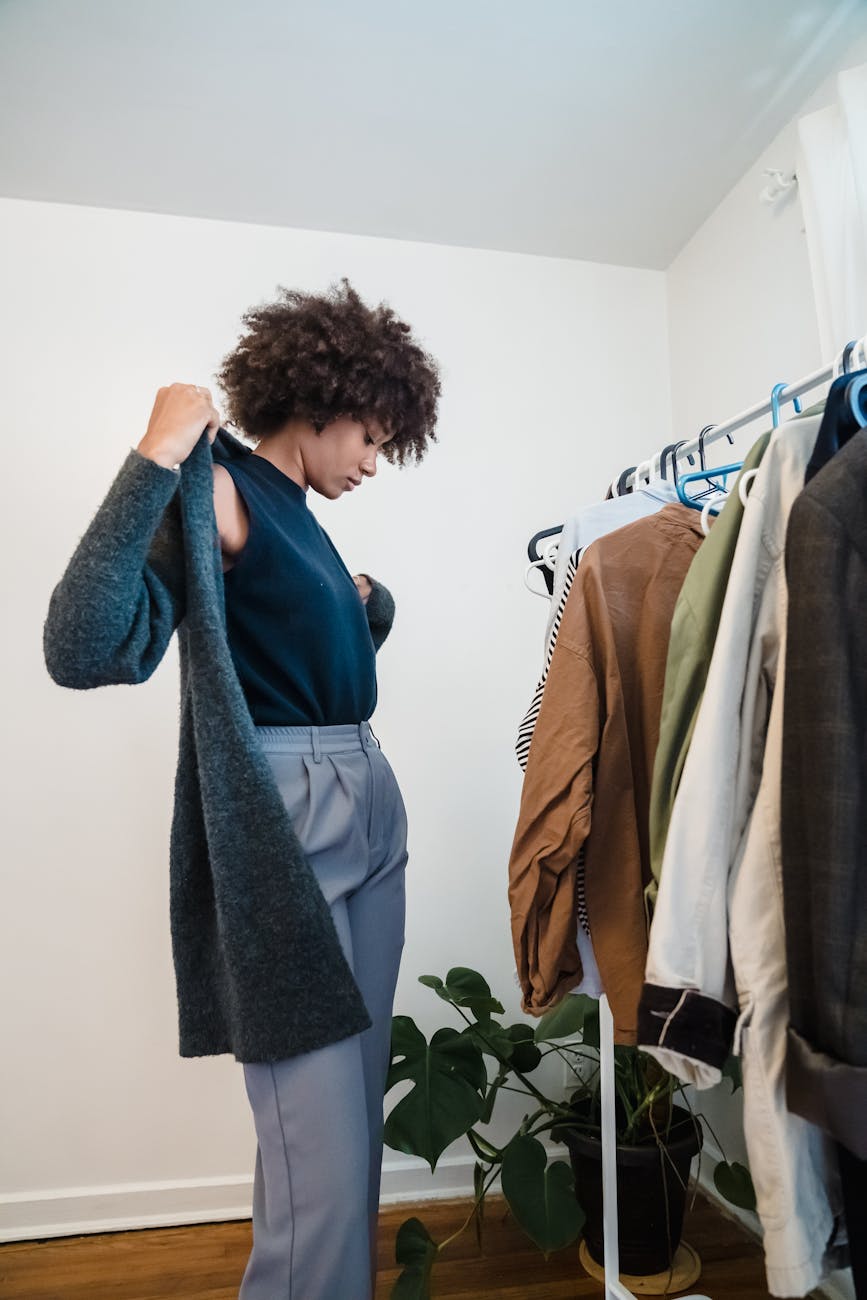

How to Dress for an Interview
First impressions matter – especially in a job interview. From your handshake to your attire, how you present yourself can leave a lasting impression on a hiring manager. Among all the things to prepare, how to dress for an interview is one of the most frequently asked questions by job seekers.
Your clothing choices not only reflect your professionalism, but they also show your awareness of the company’s culture. Dressing appropriately can give you confidence, show that you’re serious about the role, and ensure you make a strong entrance.
In this article, we break down how to dress for an interview based on industry, gender, company culture, and even format (virtual vs. in-person).
Table of Contents
Why What You Wear Matters
Before diving into the details of how to dress for an interview, it’s important to understand why it matters. Studies show that it takes only a few seconds for someone to form an opinion about you. Your clothing can signal professionalism, reliability, and your ability to fit into the workplace culture.
Even in industries that are becoming more relaxed in their dress codes, interview attire still leans to formal. Hiring managers want to see effort and respect for the process.
General Guidelines on How to Dress for an Interview
Here are a few universal tips that apply across industries and genders.
1. Dress One Step Above the Daily Attire
If employees at the company wear jeans and T-shirts, you might wear slacks and a button-down shirt. If they wear business casual, aim for business professional. When unsure, overdressing slightly is better than being underdressed.
2. Keep It Simple and Neat
Avoid loud patterns, logos, or overly trendy outfits. Choose neutral or classic colors like black, navy, gray, or white. Clothes should be clean, wrinkle-free, and well-fitted.
3. Grooming Matters
Make sure your hair is tidy, your nails are clean, and your personal hygiene is in check. Don’t overdo it with cologne or perfume—some hiring managers may be sensitive or allergic.
4. Wear Appropriate Footwear
Shoes should be closed-toe, clean, and professional. Avoid sneakers, flip-flops, or overly worn shoes.
Business Professional vs. Business Casual
Understanding the difference between business professional and business casual is very important when deciding how to dress for an interview.
Business Professional (Traditional Corporate Attire):
- Men: Suit and tie, button-down shirt, leather dress shoes, belt.
- Women: Suit with slacks or skirt, blouse or dress shirt, closed-toe heels or flats.
This is typical for jobs in finance, law, or high-level administrative roles.
Business Casual (Still Polished, Slightly Relaxed):
- Men: Dress pants or chinos, collared shirt (with or without blazer), loafers or dress shoes.
- Women: Dress pants or midi skirt, blouse, flats or low heels, cardigan or blazer optional.
Common in tech, education, marketing, or startups.
If you’re not sure what the company culture is like, try checking photos on LinkedIn or the company’s website, or politely ask your recruiter.
How to Dress for an Interview – Industry-Specific
1. Corporate (Finance, Law, Consulting)
Always lean formal. A full suit is expected unless you’re told otherwise. Dark colors, crisp shirts, and polished shoes are your safest bet.
2. Tech and Startups
Tech companies are known for being casual, but how to dress for an interview still matters. Choose clean, business casual outfits. A blazer with jeans might be okay, but avoid graphic tees or sneakers unless the recruiter gives you the green light.
3. Retail or Hospitality
If you’re applying for a customer-facing role, dress neatly but don’t overdress. A smart blouse and trousers or a polo and slacks can go a long way. Avoid flashy accessories or strong perfumes.
4. Healthcare
Healthcare interviews typically require business casual or professional attire, depending on the role. Clinical staff should avoid dangling jewelry or anything that might be unsafe in a healthcare setting.
5. Creative Fields (Design, Marketing, Fashion)
You have more room to express your personality, but still aim to look polished. Tasteful patterns or trendy elements are okay as long as they’re not distracting.
Virtual Interviews: Dressing for the Camera
With remote interviews now common, many people wonder how to dress for an interview over Zoom or Teams. The short answer: just like you would for an in-person meeting (at least from the waist up!).
Tips for Virtual Interview Attire:
- Wear solid, non-reflective colors (avoid busy prints).
- Dress professionally from head to toe—you never know if you’ll need to stand up!
- Make sure your background isn’t distracting—your appearance should be the focal point.
What Not to Wear to an Interview
No matter the company or job, there are a few universal don’ts when it comes to how to dress for an interview:
- No athletic wear: Avoid leggings, joggers, sweatshirts, or sneakers.
- No ripped or distressed clothing: Even if it’s fashionable, it looks unprofessional in most settings.
- No loud prints or slogans: Keep logos and graphics to a minimum.
- No excessive accessories or makeup: You want to be remembered for your qualifications, not your accessories or makeup.
Extra Tips to Nail Your Interview Outfit
- Try on your outfit in advance to make sure it fits well and feels comfortable.
- Do a mirror check from head to toe before leaving the house (or logging on).
- Bring minimal belongings: A professional-looking bag or folder for your resume is all you need.
- Iron or steam your clothes the night before.
- Plan based on the weather: Bring a coat or umbrella if needed, but make sure your base outfit is interview-appropriate.
Final Thoughts
Knowing how to dress for an interview can give you a major advantage. It’s one of the few things completely in your control before you even speak a word. Your appearance can communicate confidence, attention to detail, and a good cultural fit which are all qualities employers look for.
When in doubt, keep it clean, classic, and conservative. Dress one step above what you expect others to wear in the role. Observe the company’s culture where possible, and don’t be afraid to ask for guidance if you’re unsure.
Follow Us!
Disclaimer: This article is intended for informational purposes only. It provides general information and is not intended and should not be construed as professional advice. The author is not your attorney, accountant, financial planner or any other professional and no professional-client relationship is created. We do not represent that the information provided is accurate or up-to-date as laws and regulations are always changing. If you have an issue that requires professional help, you should contact the appropriate professional to help you on your on your specific set of facts. Please read the Terms and Conditions for additional information.
Discover more from Worker Wisdom℠
Subscribe to get the latest posts sent to your email.