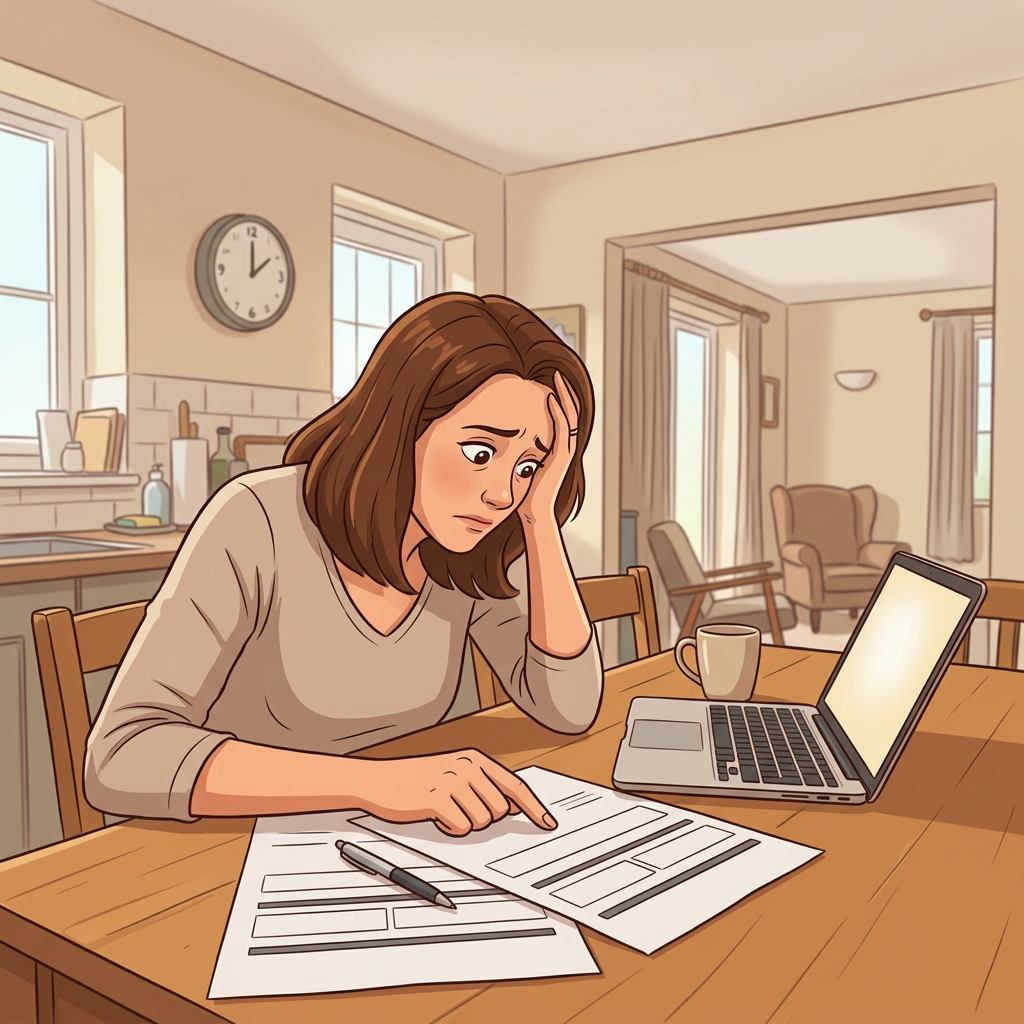

Can You Get Unemployment If You Quit Your Job?
If you quit your job, you may wonder whether you can still receive unemployment benefits. The short answer is sometimes.
In general, unemployment benefits are intended for workers who become unemployed through circumstances that meet their state’s eligibility requirements. Because quitting is a voluntary separation, you may have to show that you had a legally recognized reason for leaving.
The rules vary by state. Some states allow benefits when an employee quits for a qualifying reason, such as certain unsafe working conditions, significant changes in employment, or other circumstances that leave the employee with no reasonable alternative.
If you are considering quitting and think you may need unemployment benefits afterward, understanding the rules before you resign can be important.
Table of Contents
Can You Get Unemployment If You Voluntarily Quit?
Possibly, but voluntarily quitting generally makes unemployment eligibility more difficult.
Unemployment insurance is administered by individual states, and each state establishes its own eligibility requirements. The U.S. Department of Labor explains that states determine eligibility under their unemployment insurance programs, including requirements concerning why a person became unemployed.
In many states, an employee who voluntarily quits must establish that there was a qualifying reason for leaving.
Simply being unhappy with your job generally is not enough.
For example, quitting because you:
- Dislike your supervisor
- Want a different career
- Are bored with your position
- Prefer another workplace
- Want to take time off
- Do not like your coworkers
may not be enough to qualify for unemployment benefits.
However, the answer can be different when the circumstances surrounding the resignation are more serious.
What Reasons for Quitting May Qualify for Unemployment?
The reasons that can qualify vary by state, but some states recognize circumstances such as:
- Unsafe working conditions
- Certain serious health-related circumstances
- Significant changes in job duties or working conditions
- Certain forms of harassment or discrimination
- A substantial reduction in pay
- Certain transportation problems
- Relocation for a spouse in qualifying circumstances
- Other circumstances recognized by state unemployment law
Even when a reason appears serious, eligibility is not automatic.
The state unemployment agency generally evaluates the circumstances surrounding the separation and determines whether the employee had a legally sufficient reason for leaving.
What Does “Good Cause” Mean?
You may encounter the phrase “good cause” when researching unemployment after quitting.
Good cause generally refers to a legally recognized reason that justifies leaving employment under the state’s unemployment law.
However, the definition is not identical in every state.
Some states distinguish between reasons that are connected to the employment and personal reasons that have nothing to do with the job. Some states also require an employee to take reasonable steps to resolve the problem with the employer before quitting.
That means having a legitimate complaint does not necessarily mean you will automatically qualify for unemployment.
The specific requirements of the state where you worked matter.
Do You Have to Tell Your Employer About the Problem Before Quitting?
In some situations, yes.
Certain state unemployment laws may require an employee to make reasonable efforts to preserve the employment relationship before voluntarily quitting.
For example, an employee might be expected to notify the employer about a problem and give the employer a reasonable opportunity to address it, unless doing so would be unreasonable or unsafe under the circumstances.
This can be particularly important when the employee claims that working conditions, health issues, scheduling, or another workplace problem forced the resignation.
Because these requirements vary by state, employees should not assume that quitting immediately will preserve their eligibility for benefits.
Can You Get Unemployment If You Quit Because of a Bad Workplace?
Possibly.
A bad workplace by itself does not necessarily establish eligibility for unemployment benefits.
However, circumstances such as serious harassment, discrimination, unsafe working conditions, significant changes to employment, or other legally recognized problems may affect eligibility.
The key question is generally not simply whether you disliked your workplace. It is whether the circumstances satisfy the requirements of your state’s unemployment law.
If you believe your employer violated your legal rights, keep documentation of what happened before resigning.
Can You Get Unemployment If You Quit Because of Harassment?
Possibly.
Harassment can be relevant to an unemployment claim, but eligibility depends on the state’s unemployment law and the specific circumstances.
If you are experiencing harassment at work, document what is happening and consider reporting it through an appropriate workplace or government channel when doing so is safe and appropriate.
If you quit and later apply for unemployment, the state agency may ask you to explain why you left and what steps you took before resigning.
Keep copies of relevant communications, complaints, policies, and other records.
Can You Get Unemployment If You Quit Because of Discrimination?
Possibly.
Discrimination can be a serious workplace issue, and the circumstances surrounding a resignation may be relevant to unemployment eligibility.
However, unemployment eligibility and an employment-discrimination claim are separate legal questions.
A person could potentially have a discrimination claim without automatically qualifying for unemployment benefits, or could qualify for unemployment without having a successful discrimination claim.
If discrimination is part of the reason you are considering resigning, document the circumstances and understand the unemployment rules in your state before leaving if possible.
Can You Get Unemployment If You Quit Because of Unsafe Working Conditions?
Possibly.
Some state unemployment laws recognize serious safety-related circumstances as potentially qualifying reasons for voluntarily leaving employment.
The details matter.
An agency may consider the nature of the safety problem, whether the employer knew about it, whether the employee reported it, whether the employer had an opportunity to correct it, and whether the employee had a reasonable alternative to quitting.
An employee who leaves because of an immediate and serious danger may face a different analysis from someone who leaves because the workplace is simply unpleasant.
Can You Get Unemployment If You Quit Because Your Pay Was Cut?
Possibly.
A substantial reduction in pay may qualify as a reason for leaving under some state unemployment laws, but the requirements vary.
The agency may consider:
- How large the reduction was
- Whether the reduction was permanent or temporary
- Whether the employee agreed to the change
- Whether the change affected the terms of employment
- Whether the employee continued working after learning about the change
- Whether state law recognizes the circumstances as good cause
Do not assume that every pay reduction qualifies.
Can You Get Unemployment If You Quit for Health Reasons?
Possibly.
Some states recognize certain health-related reasons for leaving a job.
However, the employee may have to satisfy specific requirements. For example, a state may require the employee to notify the employer about a medical limitation and give the employer an opportunity to provide suitable work or make an appropriate adjustment.
The requirements vary substantially from state to state.
If your health is the reason you are considering quitting, review your state’s unemployment rules before resigning if possible.
Can You Get Unemployment If You Quit to Take Another Job?
Usually, quitting one job to take another job does not automatically mean you will receive unemployment benefits if the new job does not work out.
The circumstances can matter, including whether you actually started the new job, why the new employment ended, and the state’s unemployment rules.
For example, leaving an existing job based on a firm offer of substantially different employment may be treated differently under some state laws than simply quitting because you hope to find a better job.
If you are leaving one job for another, keep documentation of the new employer’s offer, start date, compensation, and other important terms.
Can You Get Unemployment If You Quit Without Giving Two Weeks’ Notice?
Failing to give two weeks’ notice does not by itself determine whether you qualify for unemployment.
The more important issue is generally why you quit and whether that reason satisfies your state’s eligibility requirements.
For example, an employee who quits immediately because of a qualifying circumstance may still potentially qualify even though the employee did not provide two weeks’ notice.
On the other hand, an employee who voluntarily quits for a nonqualifying reason may be denied benefits even after giving two weeks’ notice.
Giving notice and unemployment eligibility are therefore separate issues.
See our article How Much Notice Should You Give When Quitting a Job?
What Happens When You Apply for Unemployment After Quitting?
When you apply for unemployment, the state agency will generally ask why your employment ended.
If you voluntarily quit, you should expect the agency to examine the circumstances surrounding the resignation.
The employer may also have an opportunity to provide information about why the employment ended.
For example, Pennsylvania’s Department of Labor & Industry explains that when an employee voluntarily quits, both the employee and employer may provide information about the separation before the department makes an eligibility determination.
This is one reason it is important to be accurate and consistent when describing why you left your job.
What Evidence Should You Keep If You Quit?
If you believe you may need to establish that you had a qualifying reason for quitting, documentation can be extremely important.
Depending on the circumstances, keep:
- Emails with your employer
- Written complaints
- Text messages
- Workplace policies
- Pay records
- Schedule changes
- Performance records
- Written warnings
- Medical documentation when relevant and legally appropriate
- Records of reported safety problems
- Records of harassment or discrimination complaints
- Employment agreements
- Communications concerning changes to your job
Do not alter or fabricate records.
If possible, preserve relevant personal records before your employment ends, while respecting your employer’s confidential information and property.
Should You Apply for Unemployment If You Quit?
If you are unemployed and believe you may qualify, you can generally apply and allow the state unemployment agency to make the eligibility determination.
Do not assume that you are automatically disqualified simply because you quit.
At the same time, do not assume that having a difficult reason for leaving guarantees benefits.
The state agency will evaluate the circumstances under its own law.
The U.S. Department of Labor recommends contacting the unemployment insurance program in the state where you worked for information about that state’s eligibility requirements.
What Happens If Your Unemployment Claim Is Denied?
If your claim is denied, you may have a right to appeal.
The exact appeal process and deadlines vary by state.
Read the determination carefully. It should explain the reason for the denial and provide information about how and when to appeal.
If you disagree with the decision, do not ignore the deadline.
For example, Pennsylvania allows claimants to appeal unemployment determinations, and the state provides a fact-finding process when eligibility is disputed.
What If You Quit for Personal Reasons?
Personal reasons can be more difficult.
Some states recognize certain personal circumstances as qualifying reasons for voluntarily leaving, while others apply stricter requirements.
For example, Pennsylvania states that an employee who quits for personal reasons must generally show that the circumstances left no reasonable alternative and that the employee made reasonable efforts to maintain the employment relationship.
Therefore, “personal reasons” is not necessarily an automatic yes or no. The details and state law matter.
Does Quitting Mean You Can Never Get Unemployment?
No.
Quitting does not automatically disqualify every employee in every state.
The important distinction is between voluntarily leaving for a qualifying reason and voluntarily leaving for a reason that the state considers insufficient.
The U.S. Department of Labor notes that each state administers its own unemployment insurance program and sets its own eligibility requirements.
That means the same reason for quitting can potentially produce different results in different states.
Frequently Asked Questions
Can I get unemployment if I quit my job?
Possibly. In many states, voluntarily quitting makes you ineligible unless you can establish a qualifying reason recognized by state law.
What is a good reason to quit and still get unemployment?
It depends on your state. Potential qualifying circumstances in some states can include unsafe working conditions, certain health issues, significant changes to employment, and other serious circumstances.
Can I get unemployment if I quit because of a toxic workplace?
Possibly, but simply describing a workplace as “toxic” does not automatically establish eligibility. The specific circumstances and your state’s legal requirements matter.
Can I get unemployment if I quit because of a bad boss?
Usually, a difficult supervisor by itself is not enough. However, serious conduct by a supervisor may create circumstances that are treated differently under state law.
Can I get unemployment if I quit because of stress?
Possibly, depending on the circumstances and your state’s requirements. Health-related reasons may be subject to additional requirements.
Can I get unemployment if I quit for a better job?
Not necessarily. Leaving one job for another does not automatically guarantee unemployment benefits if the new job ends.
Should I apply for unemployment if I quit?
If you are unemployed and believe you may qualify, you can apply. The state unemployment agency will determine eligibility based on the applicable law and circumstances.
The Bottom Line: Can You Get Unemployment If You Quit Your Job?
You may be able to get unemployment after quitting your job, but voluntarily leaving generally makes eligibility more difficult.
The key question is usually why you quit and whether that reason satisfies the unemployment law in the state where you worked.
If you are considering resigning and think you may need unemployment benefits afterward, research your state’s rules before quitting when possible. Document the circumstances that led to your decision, communicate with your employer when appropriate, and keep copies of relevant records.
If you ultimately apply for benefits, be truthful and provide the unemployment agency with the information it requests. The agency—not your former employer—makes the eligibility determination under the applicable state law.
Disclaimer
This article provides general information about employment law and unemployment compensation and is not legal advice. Unemployment laws vary by state, and eligibility depends on the specific circumstances of each claim. Please read our Terms and Conditions.
Related Articles
- Unemployment Compensation Explained
- How Much Notice Should You Give When Quitting a Job?
- Can an Employer Withhold Your Last Paycheck?
- Do Employers Have to Pay Out Vacation Time?
Article: Can You Get Unemployment If You Quit Your Job?
Discover more from Worker Wisdom℠
Subscribe to get the latest posts sent to your email.