
Updated August 3, 2026
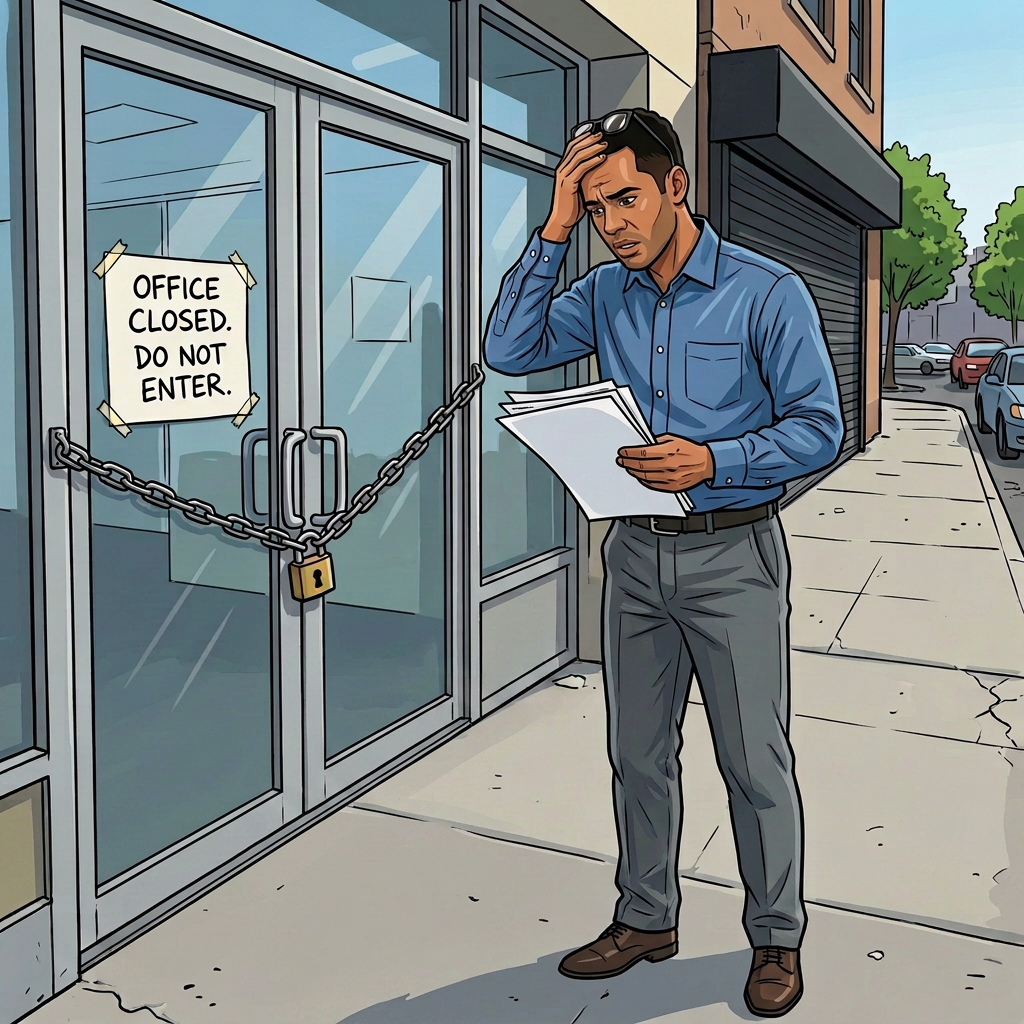
Finding out that your employer has filed for bankruptcy can be overwhelming—especially if you’re waiting for a paycheck, unpaid commissions, bonuses, or reimbursement for business expenses. One of the first questions most employees ask is: Will I get paid if my employer files bankruptcy?
The answer is maybe, but it depends on several factors, including the type of bankruptcy your employer filed, when your wages were earned, and how much the company owes you. In many cases, employees receive special protections under federal bankruptcy law that give unpaid wages a higher priority than many other debts. However, there are limits, and some employees may recover only part of what they are owed.
If your employer has already missed payroll, announced layoffs, or closed its doors, it’s important to understand your rights as soon as possible. Taking the right steps early can improve your chances of recovering unpaid wages and other compensation.
In this guide, you’ll learn:
- Whether employees get paid when a company files for bankruptcy
- How unpaid wages are treated in bankruptcy court
- What happens to vacation pay, commissions, bonuses, and severance
- The difference between Chapter 7 and Chapter 11 bankruptcy
- How to file a wage claim if your employer owes you money
- What other options may be available if you don’t receive full payment
Whether your employer is restructuring its business or shutting down completely, here’s what every employee should know about getting paid after a company bankruptcy.
Table of Contents
Understanding the Two Types of Business Bankruptcy
The first step in determining whether you’ll get paid is understanding which type of bankruptcy your employer filed. Most businesses file either Chapter 7 or Chapter 11 bankruptcy, and each affects employees differently.
Chapter 7 Bankruptcy: The Company Is Closing
A Chapter 7 bankruptcy usually means the business is shutting down permanently. The company stops operating, and a court-appointed trustee takes control of its remaining assets.
The trustee’s job is to sell the company’s property and distribute the proceeds to creditors according to the priority rules established under the U.S. Bankruptcy Code.
If your employer files Chapter 7:
- Employees are often laid off immediately.
- Future paychecks stop unless a buyer hires employees or the trustee continues limited operations.
- Unpaid wages earned before the bankruptcy filing become claims against the bankruptcy estate.
- Whether you receive all of your unpaid wages depends on how many assets remain after secured creditors and higher-priority obligations are paid.
Unfortunately, if the company has few or no assets, employees may recover only part of what they are owed—or nothing at all.
Chapter 11 Bankruptcy: The Business Keeps Operating
A Chapter 11 bankruptcy is different. Instead of liquidating, the company attempts to reorganize its debts while continuing to operate.
Many well-known companies have successfully emerged from Chapter 11 and continued doing business.
If your employer files Chapter 11:
- You may continue working and receiving regular pay.
- The company often keeps operating while negotiating with creditors.
- Wages earned after the bankruptcy filing are generally paid as normal because they are considered ongoing business expenses.
- Wages earned before the bankruptcy filing become bankruptcy claims and are subject to the bankruptcy process.
Although Chapter 11 may sound less concerning than Chapter 7, employees can still experience layoffs, reduced hours, benefit changes, or delayed payments as the company restructures.
Are Employees a Priority Creditor?
One of the biggest misconceptions is that employees automatically get paid before everyone else. While employees do receive special protection under federal bankruptcy law, they are not always first in line.
Generally speaking:
- Certain administrative expenses of the bankruptcy are paid first.
- Eligible unpaid employee wages receive priority up to a statutory dollar limit for wages earned during the applicable pre-bankruptcy period.
- Secured creditors and other priority claims are handled according to bankruptcy law.
- General unsecured creditors receive payment only if money remains.
If the amount your employer owes exceeds the federal priority limit, the remaining balance is usually treated as a general unsecured claim, which has a lower chance of being paid in full.
The Federal Wage Priority Limit
Federal bankruptcy law gives employees priority status for unpaid wages, salaries, commissions, and certain other compensation earned shortly before the bankruptcy filing. However, this protection is not unlimited.
The priority amount is adjusted periodically under federal law, so the maximum protected amount may change over time. Any wages above that limit generally become unsecured claims and may receive only partial payment—or none at all—depending on the company’s remaining assets.
Because the priority limit is updated every few years, employees should verify the current amount if their employer files bankruptcy.
What Types of Employee Compensation Are Protected?
Many employees are owed more than just a paycheck when their employer files for bankruptcy. Depending on your situation, you may have claims for several types of compensation.
Unpaid Wages
Regular wages earned before the bankruptcy filing generally qualify for priority treatment under federal bankruptcy law, subject to the statutory dollar limit and timing requirements discussed earlier.
If you continue working after the bankruptcy filing, wages earned for that work are typically paid in the ordinary course of business, particularly in a Chapter 11 case.
Overtime Pay
If your employer owes you overtime under the federal Fair Labor Standards Act (FLSA) or applicable state law, those unpaid wages generally become part of your wage claim in the bankruptcy.
Commissions
Sales commissions may also qualify as priority wage claims if they were earned before the bankruptcy filing and otherwise meet the requirements under bankruptcy law.
Determining when a commission is considered “earned” can be complicated. In some cases, the employment agreement or commission plan controls when the commission becomes payable.
Bonuses
Whether a bonus is recoverable depends on the circumstances.
For example:
- A guaranteed bonus that was already earned before the bankruptcy filing may qualify as part of a wage claim.
- A discretionary bonus that had not yet been awarded is generally less likely to be recoverable.
- Retention or incentive bonuses may be treated differently depending on the bankruptcy proceedings and applicable agreements.
Unused Vacation or Paid Time Off (PTO)
Many employees wonder whether they’ll be paid for unused vacation or PTO.
The answer often depends on:
- State law
- Your employment contract
- Your employer’s written vacation or PTO policy
- Whether the vacation benefits had already been earned
In states that require employers to pay out accrued vacation upon separation, employees may have a claim for those unpaid benefits. However, those claims are still subject to the bankruptcy process.
Severance Pay
Severance can be one of the most complicated issues in bankruptcy.
Whether severance is paid depends on factors such as:
- Whether you had an employment contract
- Whether the employer had a written severance policy
- When your right to severance arose
- The bankruptcy court’s treatment of the claim
Some severance obligations receive priority, while others are treated as general unsecured claims.
What About Health Insurance and Retirement Benefits?
Bankruptcy doesn’t automatically eliminate employee benefits, but changes are common.
Health Insurance
If your employer sponsored your health insurance, coverage may continue for a period of time, especially during a Chapter 11 reorganization. However, employers sometimes terminate health plans or stop making premium payments during bankruptcy.
If you lose employer-sponsored coverage because of a layoff or plan termination, you may be eligible to continue coverage through COBRA, although you’ll generally be responsible for paying the premiums.
Retirement Plans
If you participate in a 401(k) or similar qualified retirement plan, your retirement savings are generally protected because they are typically held in a separate trust rather than owned by the employer.
If money was properly deposited into your retirement account, those funds usually are not available to pay the company’s creditors.
However, if payroll deductions were withheld but never deposited into your retirement account, the situation can become more complex and may require assistance from the plan administrator or the U.S. Department of Labor.
What Should You Do If Your Employer Files Bankruptcy?
If your employer owes you money, don’t assume you’ll automatically be paid—or that someone else will protect your rights.
Instead:
- Keep copies of your pay stubs, employment agreement, commission plans, and payroll records.
- Document any unpaid wages, bonuses, commissions, PTO, or expense reimbursements.
- Watch for notices from the bankruptcy court regarding deadlines to file claims.
- File a proof of claim if required.
- Consider filing a wage claim with your state’s labor agency if state law provides additional remedies.
- Speak with an employment or bankruptcy attorney if you’re owed a significant amount of money or your claim is disputed.
Taking prompt action can help preserve your rights and maximize your chances of recovering unpaid compensation.
How to File a Claim If Your Employer Owes You Money
If your employer files for bankruptcy and owes you wages or other compensation, you may need to file a Proof of Claim with the bankruptcy court. This document tells the court how much you’re owed and why you believe you’re entitled to payment.
Not every employee needs to file a claim. In some bankruptcy cases, your claim may already appear on the company’s schedules. However, if your claim is missing, incorrect, disputed, or listed for the wrong amount, filing a Proof of Claim may be necessary to protect your rights.
The bankruptcy court will establish a claims bar date, which is the deadline for filing claims. Missing this deadline can prevent you from recovering money that you otherwise would have been entitled to receive.
Gather Supporting Documentation
Before filing a claim, collect any documents that show what your employer owes you, such as:
- Pay stubs
- W-2s or 1099s
- Employment contracts
- Offer letters
- Commission agreements
- Time records
- PTO or vacation records
- Expense reimbursement requests
- Emails confirming bonuses or compensation
The more documentation you have, the easier it is to support your claim if questions arise.
Can You File a Wage Claim With Your State?
Possibly.
Many states have labor departments that investigate unpaid wage complaints. Depending on state law and the status of the bankruptcy case, filing a wage claim with your state’s labor agency may provide another avenue for recovering unpaid wages or enforcing your rights.
However, once a bankruptcy case is filed, the automatic stay generally prevents most collection efforts against the employer. Because bankruptcy law and state wage laws intersect in complex ways, the appropriate course of action depends on the specific facts of your case.
What Is the WARN Act?
If your employer suddenly closed a facility or laid off a large number of employees, you may have rights under the federal Worker Adjustment and Retraining Notification (WARN) Act.
In general, covered employers must provide 60 days’ advance written notice before certain plant closings or mass layoffs. If they fail to provide the required notice, affected employees may be entitled to back pay and benefits.
However, several exceptions apply, including situations involving unforeseeable business circumstances or faltering companies. In addition, some states have their own “mini-WARN” laws that provide greater protections than federal law.
Whether WARN Act claims are available depends on factors such as:
- The size of the employer
- The number of employees affected
- The reason for the layoffs
- Whether a statutory exception applies
Frequently Asked Questions
Will I still receive my final paycheck?
In many cases, yes—but timing and payment depend on the bankruptcy proceedings, available assets, and applicable state law. Employees often have priority status for certain unpaid wages, but payment is not guaranteed.
What happens if my employer closes without paying me?
You may have a wage claim in the bankruptcy case, and you may also have rights under state wage payment laws or, in some situations, the WARN Act.
Are independent contractors protected?
Generally, no. Independent contractors are usually treated as general unsecured creditors rather than employees. Their claims often have a lower priority than qualifying employee wage claims.
Can I sue my employer after it files bankruptcy?
Usually not without permission from the bankruptcy court. The automatic stay generally pauses most lawsuits and collection actions once the bankruptcy petition is filed.
What if my employer owes me more than the priority wage limit?
The amount that qualifies for priority treatment may be paid ahead of many other unsecured debts, while any remaining balance is generally treated as a general unsecured claim.
Key Takeaways
- Employees often receive priority treatment for certain unpaid wages in bankruptcy, but payment is not guaranteed.
- Chapter 7 and Chapter 11 bankruptcies affect employees differently.
- Wages, commissions, overtime, and some vacation or PTO benefits may qualify as bankruptcy claims.
- Retirement accounts such as 401(k)s are generally protected because they are typically held separately from the employer’s assets.
- Employees should monitor bankruptcy court notices and file a Proof of Claim if necessary.
- Workers affected by mass layoffs may also have rights under the WARN Act or similar state laws.
Disclaimer
This article is for informational purposes only and should not be considered legal advice. Bankruptcy and employment laws vary based on the facts of each case and may change over time. If your employer has filed for bankruptcy and owes you wages or other compensation, consider consulting an attorney licensed in your jurisdiction or contacting your state’s labor agency to discuss your specific rights and options. Please read our Terms and Conditions.
Related Articles
If you’re dealing with unpaid wages, layoffs, or other workplace issues, these guides may also help:
- Can You Sue Your Employer for Not Paying You?
- What Is the WARN Act? Your Rights After Mass Layoffs
- Can Your Employer Delay Your Paycheck?
- What Happens to Your 401(k) If Your Employer Goes Out of Business?
- Can You Collect Unemployment After a Company Closes?
- What Is Wage Theft? Signs Your Employer May Be Violating the Law
- What Happens to Your Health Insurance After You Lose Your Job?
- Can an Employer Reduce Your Pay Without Notice?
- What Is the Difference Between Chapter 7 and Chapter 11 Bankruptcy?
- How to File a Wage Claim Against Your Employer
Article: Will I Get Paid If My Employer Files Bankruptcy? Employee Rights Explained
Discover more from Worker Wisdom℠
Subscribe to get the latest posts sent to your email.